Home » Blog » Minor Bodywork Repairs: DIY or Professional Help?
When it comes to your car’s bodywork, small dents, scratches, or chips may seem like minor issues that can be easily fixed at home. Understanding the pros and cons of DIY bodywork repairs versus hiring an auto service professional can save you time, money, and headaches in the long run. Explore when you can handle minor repairs on your own and when it’s best to call in the experts at a european car servicing shop.
When DIY Makes Sense: Small Repairs You Can Handle
If you’re dealing with minor bodywork issues, there are several repairs that are simple enough for a DIY enthusiast to tackle. With the right tools, materials, and a bit of patience, you can save money and still get professional-looking results. Here are some situations where DIY might be a good fit:
1. Minor Scratches and Paint Chips
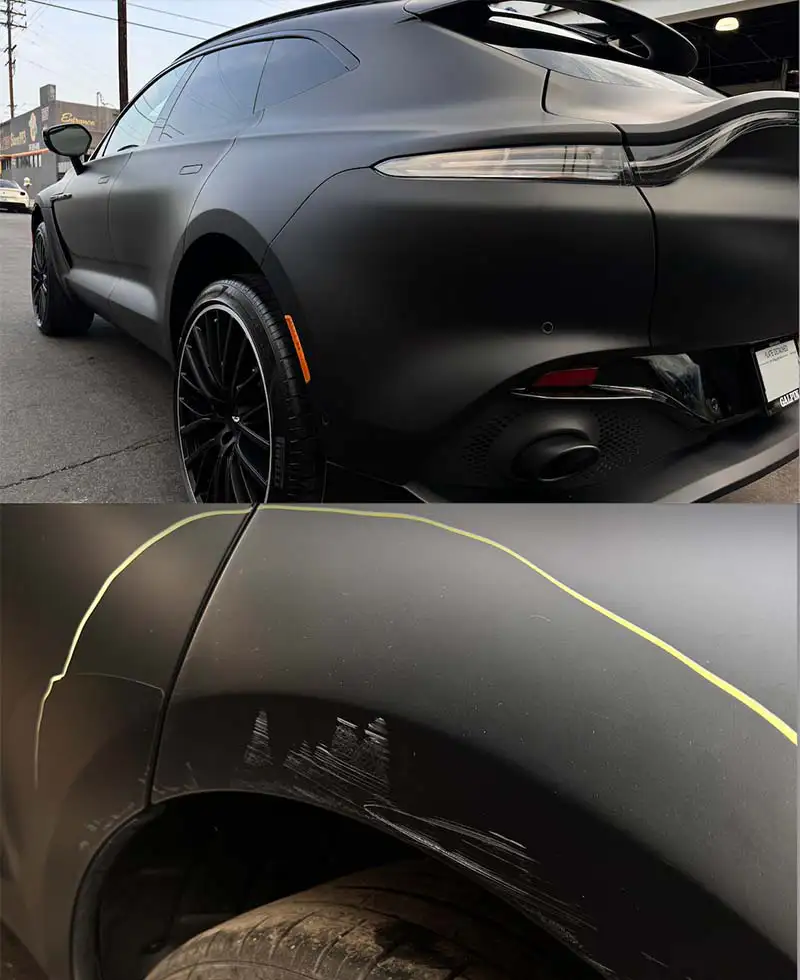
Small paint chips or scratches are among the most common types of bodywork damage. Thankfully, they’re also some of the easiest to fix yourself. With a few basic materials like touch-up paint, primer, and a polishing cloth, you can make those imperfections disappear.
So, you should:
Clean the area thoroughly before you start the repair to ensure no dirt or debris interferes with the new paint.
Match the paint color exactly to your car’s factory paint code (often found on a sticker inside the driver’s side door).
Apply the paint in thin layers, allowing each coat to dry before adding the next.
2. Small Dents
For minor dents—such as those caused by shopping carts or small fender benders—there are DIY methods that can yield impressive results. You can try using a hair dryer to heat the dent and then applying dry ice or using a plunger to gently pop it out. There are also specialized dent repair kits that include tools for popping out dents without damaging the paint.
Advice:
Avoid over-heating the area or applying too much pressure, as it could crack the paint or worsen the damage.
Make sure to follow the kit instructions carefully to avoid further damage.
What Our Clients Say
3. Minor Rust Spots
Rust can start small but, if left untreated, can spread quickly. Small rust patches on your car’s body can often be fixed by sanding them down, treating the exposed metal with a rust converter, and then re-painting the area. This is one repair you can handle yourself, as long as the rust isn’t too deep or widespread.
When Professional Help Is Necessary
While DIY repairs can be a great way to save money, there are situations where professional help is essential. Some bodywork issues require specialized tools, experience, and knowledge to ensure the job is done right. Here are a few scenarios when it’s better to leave the work to a professional:
1. Large or Deep Dents
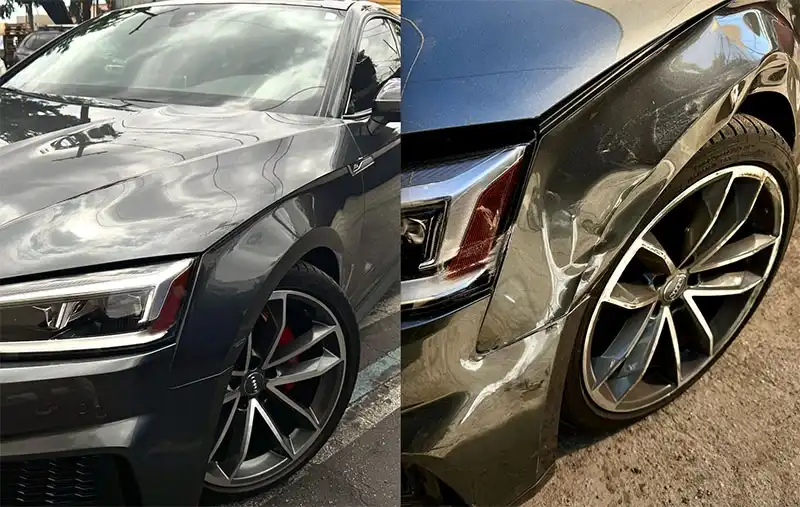
If the dent is large, deep, or located on a complex area of your car—like the door frame or the roof—DIY methods may not be effective. A professional will have the right equipment and expertise to pull out the dent without damaging the paint or other parts of the vehicle.
Don’t try to repair large dents with suction-based tools or pliers. These methods can cause more harm than good. Professionals will use a paintless dent repair technique, which is both safe and effective for deeper dents that don’t require repainting, more about car body repair you can read here.
2. Paint Jobs and Color Matching
While you can touch up minor scratches and chips with a brush, full-scale paint jobs or large sections that require repainting are best handled by a professional. A paint professional has the right equipment, like spray guns and spray booths, to apply an even coat of paint and ensure the color matches perfectly with the rest of your vehicle.
Advice:
If you attempt a large paint job yourself, you risk uneven coats, drips, or mismatched colors.
For a flawless, factory-like finish, professionals will use advanced techniques like clear-coating, which will help the paint last longer and resist fading.
3. Frame or Structural Damage
If your car has sustained significant damage to its frame or structural parts, such as after a collision, this is not a DIY job. Even if the visible damage appears minor, frame issues can compromise the integrity of your vehicle, making it unsafe to drive. Professionals will have the equipment and knowledge to assess and repair structural damage.
If you notice that your car is driving unevenly, pulling to one side, or has misaligned wheels after a collision, it’s crucial to have a professional inspect the frame. Also, attempting DIY repairs on structural damage could result in poor repairs that make your car unsafe to drive.
Key Takeaways: When to DIY vs. Professional Help
While do-it-yourself auto body repair can be a useful and cost-effective option for minor damage such as scratches, chipped paint, and minor rust spots, there are times when professional help is crucial. Large dents, paint jobs, and frame damage are best left to experienced craftsmen who have the tools and knowledge to get the job done right.
Final Tips:
Always start by assessing the severity of the damage—if it’s minor and you have the tools, try tackling it yourself.
If you’re unsure about your skills or if the damage is extensive, don’t hesitate to consult a professional to ensure your car is repaired safely and effectively.
Remember, while DIY repairs can save money, investing in professional help when necessary can prevent further damage and ensure your vehicle stays in great shape for years to come.
Whether you choose to take the DIY route or hire a professional, understanding your options and knowing when to ask for help in European auto service is the key to keeping your car looking its best without breaking the bank)
Multi-stage service on a Campogalliano-built EB110 SuperSport: custom AP Racing clutch hydraulics, two-source oil leak repair on the quad-turbo V12,...